
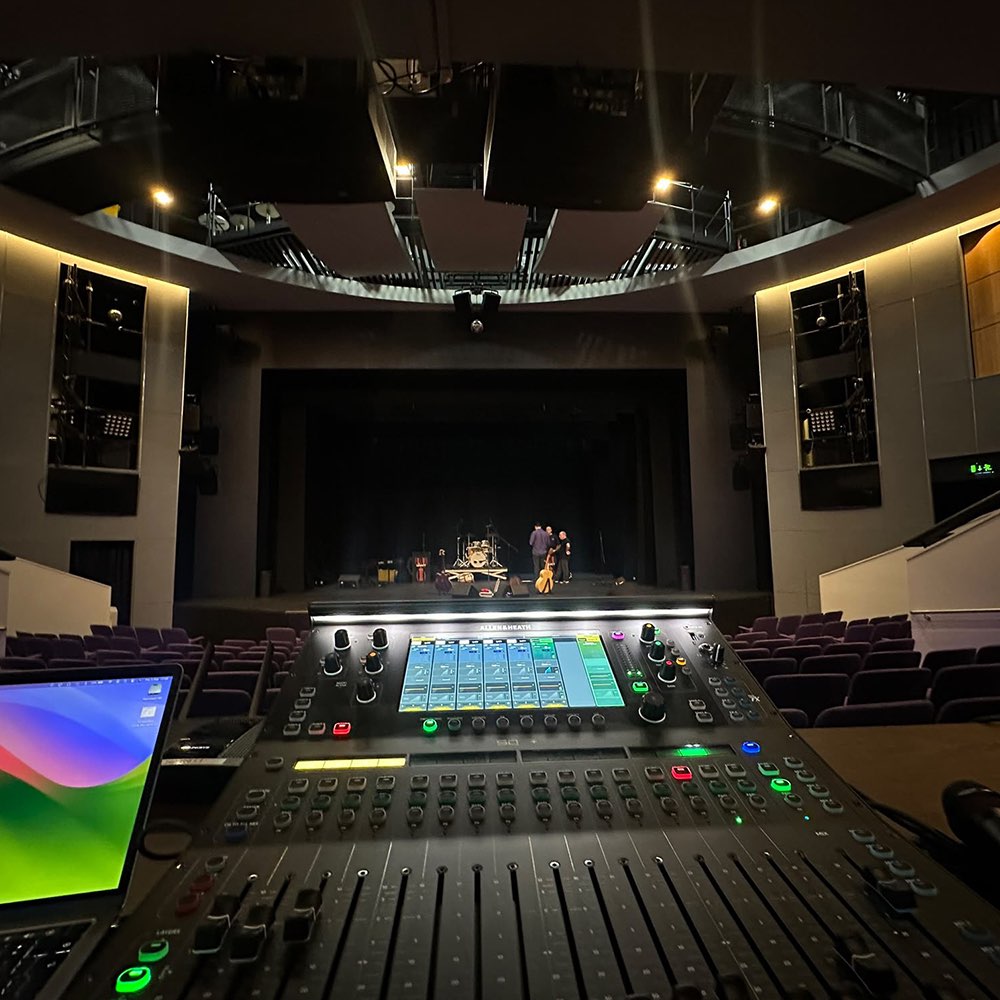
By the time you take your seat for a Start Events show, the stage is set and the evening is about to begin. But for the people bringing that performance to life, the working day may have started that morning.
With vans to load, equipment to check and a journey ahead, a 7.30pm show can sometimes mean a 9am start, depending on where we are heading.
Before we reach the venue
The day begins with loading the van and making sure everything needed for the show is coming with us.
Depending on the production, that can mean instruments, speakers, lighting, costumes and all the cables, stands and smaller essentials that help a show run smoothly.
Then comes the journey. Working with theatres, arts centres and independent venues across the UK means some show days involve a short drive, while others need several hours on the road.
Travel is part of the working day, and we plan around the distance so we can reach the venue ready for the afternoon’s setup.
3pm: Getting in and getting started
We generally arrive at the venue around 3pm. With a 7.30pm performance ahead, there is time to get everything ready—but plenty to do before the first song.
The first job is unloading and getting the equipment into the performance space.
Every venue is different. The size of the stage, the equipment already available and even the route from the van to the stage all affect how the afternoon takes shape.
Getting to know the space is part of the process. A touring show needs to feel at home on each stage it visits.
Turning a stage into a show
Once everything is inside, the setup begins.
Our production partners at Backseat Events play an important part in bringing the sound and lighting together. Alongside setting up equipment, they liaise with the venue’s staff about the facilities, technical arrangements and how our production will work in the space.
That cooperation makes a difference. The venue team knows the room, while Backseat knows what the show needs. Working together helps everyone make the most of the stage and the equipment available.
Equipment is positioned, connections are made and the performance space starts to take shape. Sound and lighting need to work together, while performers need enough room to move comfortably and reach everything they need.
There is a practical side to all of this that audiences rarely see. Behind a finished stage are decisions about where things go, how they connect and how the team will use them throughout the evening.
Artists, Backseat and venue staff each bring their knowledge to the afternoon, helping everything come together.
By 5.30pm: Soundcheck
We generally aim to have soundcheck completed by around 5.30pm.
Soundcheck gives the team an opportunity to hear how the performance works in that particular room. Voices and instruments are checked, levels are adjusted and performers check what they can hear on stage.
That last part matters just as much as the sound reaching the audience. Being able to hear clearly helps performers stay comfortable and confident throughout the show.
A room’s size, shape and surfaces can all affect its sound, so arriving with the same production does not mean simply using the same settings everywhere.
Backseat works with the performers and venue team to make those adjustments, with the aim of having everything working together before the audience arrives.
The time between soundcheck and showtime
With soundcheck finished, there are roughly two hours until the 7.30pm performance.
That gives the artists time to get changed and prepare for their performance, while the production team makes any final checks. There is usually a chance to take a breather after the afternoon’s work before everyone turns their attention to the show itself.
For the audience, the evening may just be getting started: meeting friends, heading to the venue and looking forward to hearing a favourite song.
Backstage, the anticipation is building too.
7.30pm: Showtime
Then comes the moment all that preparation has been leading towards.
The audience is in, the performers are ready and the first song begins.
In a smaller venue, the connection between the stage and the audience can feel wonderfully immediate. Performers can hear the reactions, see the smiles and feel the room respond.
That is what makes live entertainment so rewarding. Each performance brings together a different audience, a different space and a new set of shared moments.
The afternoon’s work gives that experience the best possible starting point.
After the applause
When the show ends, the working day is not quite over.
Equipment needs to be disconnected, packed and loaded out. The stage that took shape during the afternoon gradually becomes an empty space again, ready for whatever comes next.
Then comes the journey home — sometimes a long drive, with getting through the front door at 1 or 2am a normal part of touring life.
It is a less visible part of touring, but it belongs to the same story: people working together to bring a live show to your local venue.
So next time you settle into your seat for a 7.30pm performance, spare a thought for the working day around it.
From loading the van that morning to arriving home in the early hours, that first note and final bow are only part of the story.